
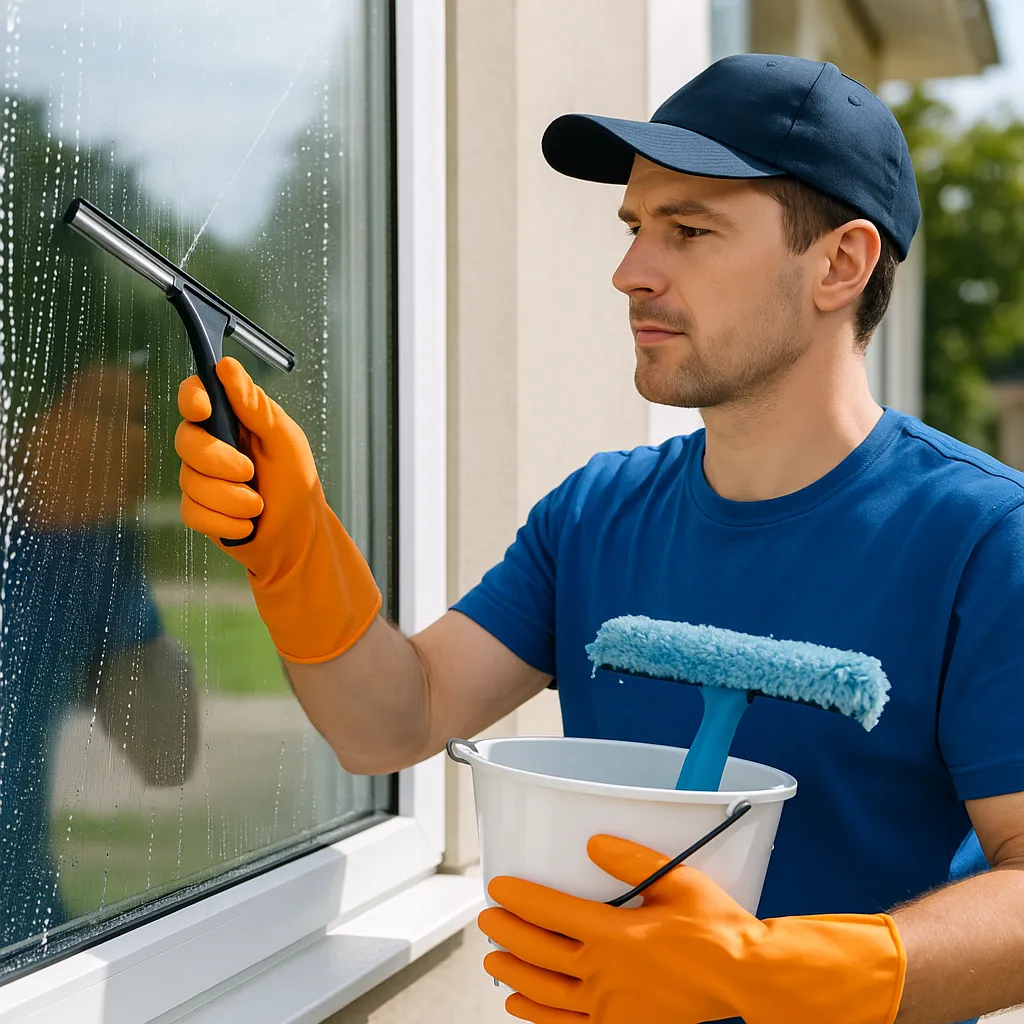
Exterior Window Cleaning Tips and Tricks
This guide cuts through the grime—literally. Whether you're dealing with hard-to-reach windows on a multi-story house or simply trying to eliminate those annoying streaks, you'll learn how to achieve spotless windows using the right tools, solutions, and techniques. We'll cover the best times to clean, the safest ways to reach upper floors, the most effective eco-friendly methods, and even the truth behind the window cleaning cost vs. DIY. Plus, if you're considering hiring a professional, we'll walk you through what to look for. By the end, your windows won’t just be clean—they’ll boost your home’s curb appeal, increase natural light, and potentially save you money long term.
Why Clean Exterior Windows in the First Place?
Dirty windows do more than just dull your view. Over time, dust, mineral deposits, and environmental contaminants can etch into the glass, making them harder to clean and damaging them permanently. Clean windows brighten your home, improve energy efficiency by allowing more sunlight in, and elevate your overall home appearance.
“Windows are the eyes of a home—and no one likes squinting through grime.”
That’s why regular window washing is more than cosmetic; it’s a form of preventative maintenance. Clean glass surfaces reflect pride in ownership and even contribute to increased property value.
Choose the Right Day: Timing Matters
One of the most overlooked yet important techniques for achieving streak-free results is choosing when to clean. Avoid hot, sunny days. Direct sunlight causes your soapy water or cleaning solution to evaporate too quickly, leaving behind smears.
Instead, opt for a cloudy day or work early in the morning. Not only will this make the job more pleasant, but it also improves your results. Whether you're using a white vinegar solution, commercial window cleaner, or old-fashioned dish soap, cooler temperatures mean longer working time.
Essential Tools to Get the Job Done Right
If you've ever tried cleaning your outside windows using just paper towels and elbow grease, you already know the frustration. The right cleaning tools make all the difference.
Here’s what you need in your window cleaning toolkit:
Squeegee – Your #1 tool for streak prevention. Use it after every scrub to remove residue.
Microfiber cloth – Excellent for wiping down frames and detailing the edges.
Extension pole – Especially helpful for hard-to-reach windows without a ladder.
Sponge or scrubber – Use this for the initial grime removal.
Bucket – Ideally, use the two-bucket system: one for soapy water, one for rinsing.
Spray bottle – Perfect for DIY solutions like water and vinegar mix.
Ladder – Use only when necessary, and always with safety precautions.
Tip: If you’re cleaning UPVC windows, look out for the hidden window mechanism that allows them to swing open for easier access. Not every window has this, but it’s a game changer if yours does.
Natural or Commercial Solutions?
You don’t need to use harsh chemicals to get sparkling windows. A simple vinegar-based cleaner works wonders. Here are a few solution options:
White vinegar + water (equal parts): An eco-friendly window cleaning solution that breaks down grime.
Dish soap + hot water: Excellent for removing grease and airborne pollutants.
Commercial window cleaner: If you need a quick, effective solution—just be cautious about chemical runoff near gardens.
Pro tip: Want to reduce your environmental impact? Stick to non-toxic or sustainable cleaning solutions.
Technique Is Everything
You’ve got the tools and the cleaner—now how do you actually make those windows spotless?
Start top-to-bottom: This prevents drips on already-clean areas.
Use a Z pattern: Great for reducing streaks and ensuring full coverage.
Scrub in a circular motion: Especially useful for breaking up dirt in the corners.
Spot-clean with a microfiber cloth as needed.
Maintaining good window cleaning technique isn't just about aesthetics—it's about long-term savings. Proper cleaning reduces the need for glass replacement or repairs due to etching and corrosion.
When DIY Just Isn’t Enough
Not everyone has the time—or the willingness—to scale a ladder on a weekend. If you’re living in a multi-story house or managing a commercial property, the safety risk and time commitment may not be worth it.
Hiring a professional can be a cost-effective option when you weigh it against:
Time-consuming setup and cleanup
The cost of purchasing all the necessary tools
Potential damage to windows or siding from poor technique
If you’re looking for residential window cleaning services across the UK, Pivotal Window Cleaning offers an experienced, insured team with transparent pricing and high standards.
Need Professional Help?
Whether you’re overwhelmed by your window’s height or just want a professional cleaning done right, we’re here to help. You can request a quote directly from us—no obligation, just clear answers.
Mastering Advanced Techniques for Cleaner, Safer Windows
Once you’ve got the basics down, the real difference comes from refining your technique and knowing how often to clean. Mastery lies in the details—and in the consistency.
How Often Should You Clean Exterior Windows?
The answer varies depending on your environment. Here are general guidelines:
Urban areas or near busy roads: Every 2–3 months, due to pollution buildup.
Coastal or humid regions: Every 1–2 months, to prevent salt and mold buildup.
Suburban or rural homes: Every 3–6 months is typically sufficient.
Regular cleaning reduces the frequency of deep cleans, saving you time and effort in the long run. It also means less grime removal and more preventative care.
Stay Safe: Don't Take Risks With Your Windows
One of the biggest mistakes homeowners make when trying to clean hard-to-reach windows is underestimating the safety precautions required.
Here are a few tips to stay safe:
Use a ladder properly – Never stand on the top rung. Make sure it’s stable and placed on a flat surface.
Wear grippy footwear – A simple slip could cause a serious fall.
Avoid windy or wet days – Especially important when using extension poles or working from heights.
Invest in the right gear – A professional-grade extension pole and squeegee can eliminate the need for risky climbing altogether.
If the setup starts to feel like a construction project, it might be time to leave it to the pros. Check our UK-wide service coverage if you're unsure where to turn.
The Case for Hiring Professional Window Cleaners
If you’ve ever found yourself halfway through a job and wondered, “Is this really worth it?”—you’re not alone.
Let’s break down a few facts about DIY vs professional window cleaning:
FactorDIYProfessionalInitial CostLowerHigher upfrontTime SpentHighLowEquipment QualityLimitedProfessional-gradeResultsVariableConsistently streak-freeRiskHigherLow (insured and experienced)
In many cases, the window cleaning cost is justified by the long-term savings—no damaged windows, no recurring equipment purchases, and zero time wasted.
Professional teams also come with insurance, experience, and commercial-grade tools to tackle jobs efficiently and safely. If you’re not sure what’s right for you, our team can help assess it. Explore our lead generation services if you're in the industry and want to grow your local client base.
Eco-Friendly Practices You Should Know
More homeowners are prioritising eco-friendly window cleaning not just for the planet, but for personal health reasons as well.
Why Go Green?
Better for the environment – No harsh chemicals rinsed into the soil or water systems.
Safer for pets and children – Natural cleaners are non-toxic.
Great for allergy sufferers – Less irritants in the air and on surfaces.
Try this homemade solution:
**Eco Vinegar Window Cleaner**- 1 cup white vinegar
- 1 cup warm water
- A few drops of lemon essential oil (optional)
Mix in a spray bottle and use as you would a commercial cleaner. Pair with a microfiber cloth for best results.
Why Clean Windows Boost More Than Just Appearance
We’ve already discussed how clean glass improves your home’s aesthetic appeal—but that’s just the surface.
Deeper Benefits of Clean Windows
Curb appeal – First impressions matter for guests and potential buyers.
Increased natural light – Makes interiors feel larger and more inviting.
Energy efficiency – Sunlight can help warm your home in winter, reducing heating bills.
Mental clarity – Believe it or not, looking through clear views can reduce stress and boost mood.
Mold prevention – Regular cleaning reduces condensation and buildup.
These benefits aren’t just visual—they translate to real improved home value over time.
“A clean window isn’t just a chore checked off; it’s a visual and emotional reset for your home.”
When to Say Goodbye to DIY
It’s easy to be tempted by the idea of saving a few quid. But ask yourself:
Are your windows difficult to reach?
Is your time better spent elsewhere?
Are you tired of getting streaks no matter how many products you try?
If yes, it might be time to bring in the professionals.
Request your free quote today and let us take the guesswork—and glasswork—off your hands.
Cleaning by Season: Timing Your Efforts for Maximum Impact
Cleaning your outside windows isn’t a one-size-fits-all task. Your environment, weather conditions, and even local pollen levels play a role in how often and when you should clean.
Here’s a simple seasonal guide to help keep your windows sparkling all year:
Spring
Focus: Pollen and rainwater spots
Tip: Spring showers may leave windows with mineral streaks. A vinegar-based rinse can neutralise them.
Bonus: You’ll maximise natural light benefits going into longer days.
Summer
Focus: Dust, bugs, and tree sap
Tip: Clean early in the morning to avoid sunny days and heat-induced streaks.
Bonus: Clean windows reflect better in summer photos—great for curb appeal if you're selling.
Autumn
Focus: Falling leaves and debris
Tip: Clear out window sills and check for mold or moisture damage.
Bonus: A good clean here can prevent mold prevention issues in the colder months.
Winter
Focus: Salt, condensation, and interior smudges
Tip: While exterior cleans may slow down, this is the time to deep clean inside windows.
Bonus: Clean glass helps with energy efficiency, allowing sunlight to naturally warm interiors.
Don't Forget Your Frames, Sills, and Screens
A window is more than just the pane. The window frame and sill are prime areas for moisture buildup, dirt, and even mold. Skipping them during a clean can lead to early frame damage or paint deterioration.
Here’s a quick checklist for full-window care:
Wipe down the window frame with warm soapy water and a soft sponge.
Rinse and scrub sills to remove buildup.
Vacuum out or rinse window screens every few months.
Inspect UPVC windows for cracks or discolouration.
A full window clean extends the life of your installations and maintains your home’s integrity—especially in damp UK climates.
Beyond Homes: Commercial Window Cleaning
While homeowners benefit from a clearer view and improved value, businesses have even more at stake. Clean windows are essential for storefronts, restaurants, offices, and apartment buildings where first impressions count.
If you manage a commercial property, consider setting up a window cleaning schedule that ensures consistency year-round. This reduces liability, enhances customer perception, and protects your investment.
At Pivotal, we also offer commercial window cleaning services tailored to business needs. Our crew is fully trained and equipped with insurance and safety certifications.
Building an Exterior Maintenance Routine
Many people treat window cleaning as an isolated task—but it shouldn’t be. It’s a critical component of your overall exterior property maintenance.
Here’s how to create a schedule that keeps your home or business in top shape:
Monthly
Check sills and frames for buildup or leaks.
Spot clean accessible windows, especially near kitchens or patios.
Quarterly
Full external window washing
Clean gutter lines adjacent to windows
Rinse window screens
Bi-Annually
Deep clean inside and out
Schedule a professional inspection if you're in a high-rise or older home
Ready to Take the Next Step?
Whether you’re a homeowner wanting to upgrade your cleaning game or a property manager seeking a dependable solution, we’re here to help. At Pivotal Window Cleaning, we serve clients across the UK with a focus on transparent pricing, safety, and results.
Need help growing your window cleaning business? Don’t miss our powerful lead generation service for window cleaners, designed to scale your operations with quality clients.
Final Thoughts: Don’t Just Clean—Transform
Exterior window cleaning is more than just maintenance. It’s a low-effort, high-impact way to increase comfort, appearance, and even mental well-being. Whether you DIY it with the right tools and techniques or hire a seasoned crew, clean windows are an investment in your property—and your peace of mind.
Key Takeaways
Clean windows improve natural light, curb appeal, and even energy efficiency.
Use tools like squeegees, extension poles, and microfiber cloths for best results.
Natural solutions like vinegar and water offer safe, eco-friendly window cleaning.
Set a seasonal cleaning schedule to reduce buildup and extend window lifespan.
Hiring a professional window cleaning service can save time, effort, and risk.
Don’t overlook frames, sills, and screens—they matter just as much as the glass.
Frequently Asked Questions (FAQ)
1. What’s the best time of day to clean exterior windows?
The best time is early morning or late afternoon on a cool, cloudy day. Cleaning in direct sunlight can cause your cleaning solution to dry too quickly, leading to streaks.
2. Can I use tap water for cleaning windows, or should I use distilled water?
While tap water is fine for most jobs, distilled water is better for avoiding water spots—especially in areas with hard water. It contains no minerals that could leave streaks or film on the glass.
3. Should I remove screens before cleaning the windows?
Yes. Remove any screens before cleaning the glass to ensure thorough access and avoid trapping grime between the screen and the window. Clean the screens separately with warm soapy water.
4. How do I deal with dried-on bird droppings or tree sap?
For tough, stuck-on spots like bird droppings, apply soapy water or a vinegar solution and let it sit for a few minutes before scrubbing gently with a sponge or scrubber. Avoid metal scrapers, which can scratch glass.
5. Are newspaper and vinegar still good for cleaning windows?
Yes, though not as common today. Crumpled newspaper paired with a white vinegar solution can leave a streak-free finish, but microfiber cloths tend to be more effective and less messy.
6. Is pressure washing safe for exterior windows?
No, it’s generally not recommended. High-pressure washing can break seals, crack the glass, or force water into the walls. Stick to low-pressure tools like a hose or extension pole system.
7. Can I use glass cleaner meant for car windows on house windows?
It’s not ideal. Auto glass cleaners may contain additives like water repellents that could smear on home windows. Stick to products made specifically for residential window cleaning or use DIY options like vinegar.
8. How do I prevent streaks after the windows dry?
Use a squeegee in a top-to-bottom motion and wipe the blade after each pass. Finish with a microfiber cloth around the edges, and avoid cleaning during hot weather to allow proper drying time.
9. What’s the easiest way to clean second-story windows without a ladder?
Use an extension pole with a squeegee or scrubber attachment, or hire a professional with the right tools. If you have UPVC windows, check if they tilt inward for easier cleaning access.
10. Do tinted or coated windows require special cleaning care?
Yes. Avoid abrasive tools or ammonia-based cleaners. Use soft sponges and non-toxic cleaners to preserve the integrity of the tint or film. Always refer to your window manufacturer’s care guidelines.


