
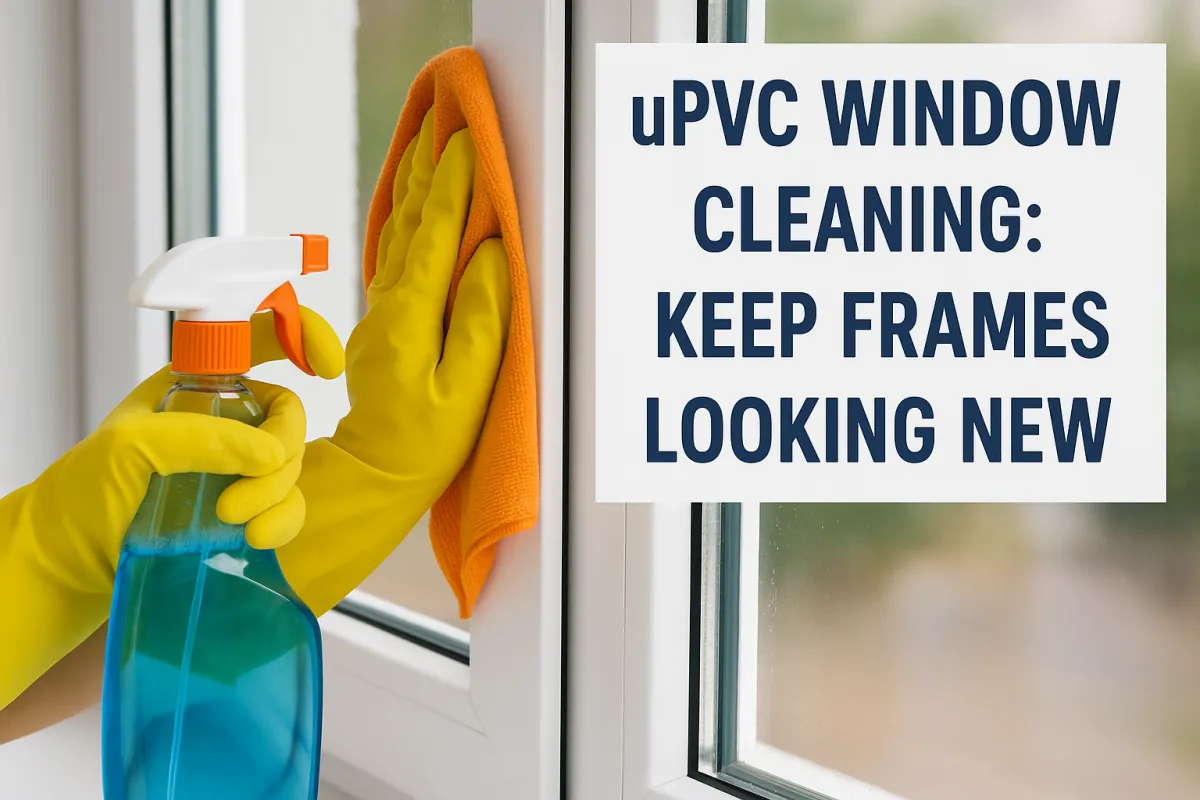
uPVC Window Cleaning: Keep Frames Looking New
uPVC window frames are a popular choice across the UK for their durability and sleek appearance. But without proper maintenance, they can discolour, stain, or dull over time. This article walks you through everything you need to know to keep your uPVC looking its best—from tools and techniques to eco-friendly alternatives and common cleaning pitfalls. Whether you're a homeowner wanting a better finish or a professional cleaning company improving your offer, this guide gives you practical, field-tested insight. Expect clear steps, pro tips, and answers to questions you didn’t even know you had.
Why Keeping Your uPVC Frames Clean Is More Than Just Aesthetic
Modern uPVC windows and doors are engineered for minimal maintenance, but that doesn't mean they’re immune to grime, mould, or yellowing. In fact, their pristine white finish can be surprisingly unforgiving. What starts as a bit of road dust or coastal salt spray can settle into stubborn stains if left unchecked. Especially in the UK’s damp climate, weathering, mould, and grime build-up are just a matter of time.
Cleaning your uPVC isn't just about curb appeal—it’s a preventive measure. Left alone, grime traps moisture against the surface, which can encourage mould growth and degrade the seals or hinges. Even worse? UV rays can bake these contaminants into the frame, dulling the finish and accelerating discolouration.
If you're not already scheduling regular cleaning, you're leaving both the appearance and longevity of your windows to chance.
“Think of your window frames like your car’s paint job: regular cleaning is the difference between showroom shine and permanent staining.”
The Do’s and Don’ts of Cleaning uPVC Windows
Whether you're tackling white uPVC window frames or something more timber-effect, there are universal rules for getting the job done right—without causing damage.
✅ Use:
Warm soapy water – Gentle yet effective for most routine jobs.
Mild detergent – Avoid anything too alkaline or acidic.
Microfiber cloth or soft cloth – Reduces streaking and avoids surface scratches.
Soft brush or non-scratch sponge – Gets into corners and grooves without marking.
uPVC cleaner – For more stubborn stains or to restore sheen.
Vinegar solution – An eco-friendly window cleaning secret weapon.
❌ Avoid:
Bleach – It can permanently discolour uPVC and cause surface degradation.
Abrasive pads – Like scouring sponges or wire wool.
Ammonia-based sprays – Harsh on plastic and can damage seals.
White spirits or methylated spirits – These can literally melt or warp the plastic surface.
Pressure washers – Tempting but risky; high-pressure water can strip the outer layer or damage seals.
Pro Tip: Still seeing cloudy streaks after cleaning? Add a squeegee to your toolkit for streak-free cleaning and reduced water spots.
Step-By-Step: Cleaning uPVC Window Frames Without Damaging Them
Here’s a simple but highly effective cleaning routine that protects the finish and ensures long-term frame health.
Sweep debris first
Use a soft brush or vacuum to remove loose dirt, leaves, cobwebs, and insects.
Pay attention to window sills and seals where dirt hides.
Wash with warm soapy water
Use a biodegradable cleaner or mild detergent.
Wipe from top to bottom using a non-abrasive cloth.
For crevices, try a detailing brush for windows.
Target stubborn stains
Use a diluted vinegar solution or specialist uPVC cleaner.
Let sit for a few minutes, then gently scrub and rinse.
Rinse thoroughly
Avoid using the same cloth for rinsing—opt for clean water and a new sponge.
Dry with a microfiber cloth
Prevents water spots and ensures a polished finish.
Clean seals and moving parts
Gently wipe down seals with a damp cloth.
Lubricate hinges and locks with silicone oil to maintain function.
Optional: Apply UV protection
Use a UV protection spray for uPVC to shield against sun damage and fading.
If you’re a professional offering uPVC cleaning services or looking to grow your client base, check out how we help with window cleaning lead generation.
What About Mould, Yellowing, or Frame Restoration?
Mould and yellowing are unfortunately common issues, especially around the rubber seals or lower sills where moisture accumulates.
To remove mould:
Spray a vinegar solution (1 part vinegar to 4 parts water).
Let sit for 10 minutes.
Wipe thoroughly and dry.
For persistent growth, consider a mould-resistant sealant.
To prevent yellowing of uPVC:
Avoid harsh cleaners that strip protective coatings.
Use UV-protection after every clean.
Stick to eco-friendly window cleaning practices to reduce chemical reactions.
If the frame has already lost its shine, you might need to look into frame restoration products—but be wary of overly aggressive solutions. In some cases, restoration may not be possible, and replacement is the only fix.
How Often Should You Clean Your uPVC Frames?
The right cleaning frequency depends on your environment, location, and how exposed your windows are to the elements. But there’s a simple rule: the dirtier your surroundings, the more often you should clean.
General Cleaning Schedule:
EnvironmentFrequencyUrban/High TrafficEvery 2–3 monthsCoastal/SeasideEvery 2 monthsRural/CountrysideEvery 6 monthsIndustrial ZonesMonthly, if possible
Pollution, sea salt, and fine debris build up faster than you might think. This buildup not only dulls your windows—it can eventually cause weathering, degrade seals, and increase the risk of mould in wet seasons.
For homes near busy roads or under trees, increasing the cleaning frequency makes a noticeable difference in appearance and long-term condition.
“Think of this less like a chore and more like protecting your investment—routine care prevents permanent damage.”
Seasonal Maintenance Guide for uPVC Windows & Doors
To keep your windows in top shape year-round, align your cleaning routine with the UK’s seasonal challenges.
Spring
Sweep away winter debris: Remove moss, fallen leaves, and built-up grime.
Inspect for any cracks or seal damage from frost.
Use a microfiber cloth for your first detailed clean of the year.
Summer
Apply UV protection spray for uPVC to protect against discolouration from sun exposure.
Check hinges and moving parts—lubricate where needed.
Rinse frames more frequently to remove airborne dust and pollen.
Autumn
Clear out drainage holes that might be blocked by leaves.
Apply a protective spray to repel dirt and prepare for harsher conditions.
Pay attention to window sill cleaning, as moisture and debris gather more readily.
Winter
Focus on mould prevention—wipe down seals and corners.
Avoid cleaning on frosty days to prevent water freezing on contact.
Be wary of products freezing or reacting poorly in cold conditions.
Need help staying on top of it all? See if our team operates near you by checking our UK window cleaning service areas.
Recommended Tools for Best Results
While you don’t need professional gear to get pro-level results, a few key tools can dramatically improve both efficiency and finish quality.
Essential Cleaning Toolkit
Squeegee – For streak-free cleaning on glass.
Non-scratch sponge – Effective but gentle on delicate surfaces.
Detailing brush – Ideal for tight corners and grooves.
Soft-bristled brush – For sweeping frames without scratches.
Biodegradable cleaner – Safe for surfaces, people, and the environment.
Anti-static spray – Helps repel dust, reducing cleaning frequency.
Quick Tip: A soft toothbrush works wonders around hinges and locks, where grime loves to settle unnoticed.
Frame Looking Dull? Here's When to Restore or Replace
Despite best efforts, there comes a point when frame restoration may be necessary. If your once-white uPVC frames are dull, scratched, or yellowed, you have two options:
Restore using uPVC restorer cream
These creams temporarily revive colour and add a slight shine. Be cautious—many include abrasives, so test first on a small section.Replace if restoration fails
Frames that have become pitted or chemically damaged (often due to bleach or white spirit) are beyond repair. That’s where professional assessment comes in.
At Pivotal, we’ve helped countless homeowners decide whether cleaning, restoration, or replacement is the best value move. If you'd like guidance, request a quote from one of our local teams.
Pro Tip: Avoiding the Most Common Mistakes
Even well-intentioned DIYers can unknowingly cause damage. Here are the top pitfalls to avoid:
Using pressure washers: They force water into seals and can strip protective layers.
Overusing vinegar: While great in small doses, overuse can dry out seals or corrode metal fittings.
Mixing cleaning chemicals: Stick to one cleaner at a time—many reactions can degrade the uPVC surface.
Ignoring hidden areas: Seals, sills, and hinges are where grime causes lasting issues.
Want more industry-backed insight like this? Our team specialises in modern, eco-friendly window cleaning that protects finishes and prolongs frame life. Visit Pivotal Window Cleaning to learn more about how we work.
DIY vs Professional uPVC Cleaning: When to Call In the Experts
Doing your own uPVC cleaning can be satisfying and cost-effective—when it’s done right. But there are times when calling in professionals makes more sense, especially if:
Frames have heavy staining or deep mould
You’re managing a large property or commercial site
Time, access, or tools are limited
You’re looking to prep for sale or valuation
Professional cleaners bring more than just manpower. At Pivotal, we use safe, biodegradable cleaners, precision tools, and proven techniques that preserve the integrity of your uPVC frames while delivering a spotless finish—without the risk of scratching, fading, or damage.
Whether you’re a homeowner, property manager, or in need of commercial-grade upkeep, we provide dependable, UK-wide coverage. Explore our window cleaning locations to see if we’re in your area.
Business Insight: Lead Generation for Window Cleaners
If you’re a cleaning business owner offering services like uPVC frame restoration, streak-free window cleans, or eco-safe treatments, you’ve likely noticed that standing out online is getting harder. Leads don’t just fall into your lap anymore—you need strategy.
Our lead generation for window cleaners page outlines how we help businesses just like yours generate high-converting leads that actually book.
From SEO-friendly service pages to local rankings and lead tracking, we understand how homeowners search for solutions—because we serve them ourselves.
Best uPVC-Safe Cleaning Products (Tested & Trusted)
While we don’t sell products directly, here are a few we regularly recommend or use in the field. Be sure to patch test before wide application:
Everbuild PVCu Solvent Cleaner – Effective on stubborn marks, but not for daily use.
Ecosure Biodegradable Window Cleaner – Excellent eco-friendly option.
HG UPVC Cleaner – Widely available and gentle on most frames.
Lakeland White Wonder Cream – Good for minor discolouration (non-abrasive).
Squeegee Pro Kit – A complete toolset for that pro finish.
Remember: No matter the product, application method is key. Always rinse and dry properly, especially around seals and locks.
Frequently Asked Questions
Can I use washing up liquid to clean uPVC frames?
Yes. A small squirt of mild detergent in warm water is safe and effective for regular cleaning. Avoid citrus or bleach-based liquids.
Why are my white uPVC windows turning yellow?
This is usually from prolonged UV exposure or damage from harsh chemicals. Prevention is key—use UV protection spray and never apply bleach or spirits.
What’s the best way to remove mould from seals?
A vinegar solution (4:1 water to vinegar) sprayed directly onto the seal, left for 10 minutes, and wiped dry is highly effective. For persistent cases, consider resealing with a mould-resistant sealant.
Can I use a pressure washer?
No. It may seem convenient, but the high pressure can strip surface layers and force water into drainage holes, weakening the frame over time.
Final Thoughts: It's All About Longevity
The goal of any uPVC care routine isn’t just sparkle—it’s protection and preservation. Your window frames face the brunt of the UK's unpredictable climate. From coastal salt to urban smog, from pollen in spring to frost in winter, your frames need more than an occasional wipe. With the right tools, a little know-how, and a gentle touch, you can keep them looking sharp for decades.
If you’re tired of trial-and-error or just want a superior finish without the hassle, request a quote from Pivotal Window Cleaning today.
We clean. We protect. We restore.
Frequently Asked Questions: uPVC Window Cleaning & Frame Care
1. What is the safest way to clean uPVC windows in winter?
In colder months, avoid using cold water on frozen surfaces or cleaning during sub-zero temperatures, as water may freeze on the frame. Instead, use lukewarm water with mild detergent and clean during mid-morning when the sun has warmed the surface slightly. Dry frames thoroughly with a microfiber cloth to prevent freezing and streaking.
2. How can I clean uPVC windows on upper floors without risk?
For upper-level windows, use an extendable cleaning pole with a soft brush or squeegee head. Some homeowners opt for water-fed pole systems that use purified water and a telescopic pole for safer reach. Avoid leaning out of windows or using ladders without proper training or equipment—professional services are safest for anything above ground level.
3. Are baby wipes safe for cleaning uPVC frames?
Generally no. While they may seem gentle, many baby wipes contain oils, fragrances, or alcohols that can leave a residue on uPVC or degrade the material over time. Always use a dedicated uPVC cleaner or a homemade solution of warm water and mild detergent.
4. What causes streaks on uPVC windows after cleaning?
Streaks often occur due to:
Dirty or reused cleaning cloths
Not drying the frame or glass thoroughly
Using too much detergent or not rinsing properly
To avoid this, use a squeegee for the glass and microfiber cloths for drying the frames, and always rinse with clean water after applying any cleaner.
5. Can I use car wax or polish on uPVC frames to protect them?
Some professionals use non-abrasive car wax or uPVC-specific creams to add a protective layer. However, always test a small, hidden area first. Never use products containing petroleum distillates or strong solvents, as they can damage the surface and shorten the life of the frames.
6. Do I need to remove the window sashes to deep clean uPVC windows?
No, but it can help for a deep annual clean, especially if you notice mould or grime buildup in areas that are normally inaccessible. Most modern uPVC windows tilt or slide inward for easier access. Always check your manufacturer's cleaning instructions before attempting removal.
7. How do I know if a uPVC cleaner is safe for my frames?
Check the product label for:
"Non-abrasive"
"Solvent-free"
"Safe for plastics/uPVC"
Avoid any cleaner with bleach, ammonia, or alcohol, and perform a patch test before applying it to the full frame.
8. Can yellowed uPVC frames be painted instead of replaced?
Technically yes, but painting uPVC requires specialist primers and paints designed for plastics. While this can revive appearance temporarily, it’s not a long-term solution and could void your window warranty. If yellowing is extensive, replacement or professional restoration is usually the better investment.
9. Is it better to clean uPVC windows on a cloudy day?
Yes. Direct sunlight causes water and cleaning solutions to evaporate too quickly, leaving behind streaks and spots. Cloudy but dry weather is ideal, allowing for even drying and more time to clean without rushing.
10. How do I prevent static dust build-up on uPVC frames after cleaning?
Use an anti-static spray made for plastic surfaces after drying the frames. This can help repel airborne dust and particles, keeping your windows cleaner for longer between maintenance sessions. Avoid furniture polish or aerosol sprays that can leave greasy residues.


